
Resources
Bright Defense Partners with KnowBe4 to Enhance Security Awareness
Bright Defense is proud to announce our new status as a KnowBe4 managed service provider. This strategic alignment significantly enriches our compliance-focused cybersecurity offerings, ensuring that our clients meet and exceed the rigorous demands of compliance frameworks like SOC 2, ISO 27001, HIPAA, and more.Strategic Integration of KnowBe4 Platinum Into Our OfferingsAs a KnowBe4 managed…
Read MoreMaster ISO 27001 Internal Audit with Bright Defense: Your Path to Compliance
When it comes to protecting your organization’s information, there’s no room for shortcuts. If you’re aiming to comply with ISO 27001, you’ve probably heard of the ISO 27001 internal audit. But what is it really about, why is it so crucial, and how can partnering with Bright Defense make the whole process smooth and effective?…
Read MoreRegisterBlast Achieves TX-RAMP Certification with Support from Bright Defense
Nashville, TN — December 17th, 2024 — RegisterBlast, a leader in managing online registrations for higher education institutions, is proud to announce its successful attainment of TX-RAMP (Texas Risk and Authorization Management Program) Level 2 certification. This certification represents a critical milestone for organizations providing technology services to state agencies in Texas. By achieving TX-RAMP compliance,…
Read MoreSunflower Labs Achieves ISO 27001 Certification with Support from Bright Defense
San Carlos, CA — December 10th, 2024 — Sunflower Labs, the leader in autonomous security drone technology, proudly announces its successful attainment of ISO 27001:2022 certification. ISO 27001, the internationally recognized standard for Information Security Management Systems (ISMS), highlights Sunflower Labs’ commitment to safeguarding data and delivering the highest security standards for its customers and…
Read More20 Key Takeaways from the CMMC Final Rule for SMBs
The U.S. Department of Defense (DoD) has recently finalized the Cybersecurity Maturity Model Certification (CMMC) rule on October 15, 2024, and it’s crucial for small and medium businesses (SMBs) in the defense industrial base to understand how these changes affect them. Cybersecurity is no longer optional if you’re working with the DoD, and the CMMC…
Read MoreCMMC 2.0 Final Rule: Key Updates for Defense Contractors
CMMC 2.0 is now official. The final rule was published on October 15, 2024, and defense contractors must start preparing for new cybersecurity requirements. The updated framework reduces assessment levels from five to three, aligning them with existing NIST standards. The goal is to simplify compliance, especially for small and mid-sized businesses, while still protecting…
Read MoreStrengthening Your Business with Cybersecurity Compliance: A Key to Trust and Growth
October is Cybersecurity Awareness Month, a time dedicated to educating businesses about the importance of protecting their digital assets. For small to medium businesses, achieving cybersecurity compliance isn’t just a regulatory checkbox. It’s a crucial step toward enhancing your security posture and earning customer trust.Why Compliance Matters for Small to Medium BusinessesIn today’s digital landscape,…
Read MorePCI DSS Scoping and Segmentation for Modern Network Architectures
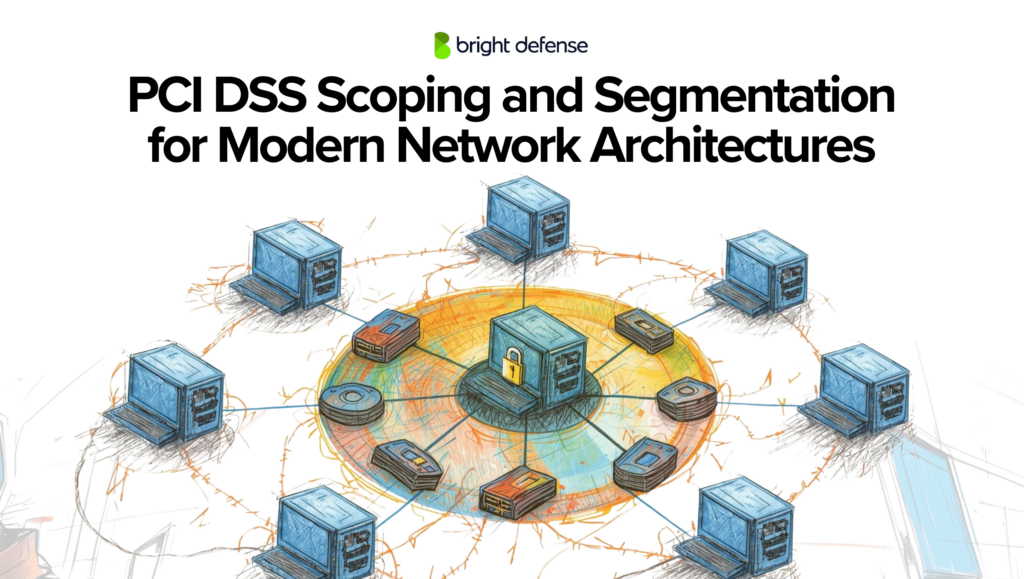
Welcome to the world of PCI DSS scoping and segmentation! If you’re managing payment card data, you’ve probably heard about the need to secure your systems and keep everything in line with the Payment Card Industry Data Security Standard (PCI DSS). But as our networks evolve, so do the challenges of keeping everything secure. Let’s…
Read MoreGDPR vs. CCPA: What’s the Difference?
If you’ve been diving into the world of data privacy, you’ve probably come across two big acronyms: GDPR vs. CCPA. You might be thinking, “Are they just fancy laws trying to do the same thing, or are there real differences I should care about?” Well, you’re in the right place. Let’s break down what GDPR…
Read MorePCI Compliance for Small Business: A Guide for SMB Owners
IntroductionIn today’s digital world, protecting your customers’ payment information is more critical than ever. If you own a small business, PCI compliance isn’t just a suggestion—it’s a necessity. By ensuring compliance with the Payment Card Industry Data Security Standard (PCI DSS), you safeguard your customers’ data and build trust. This guide will walk you through…
Read More