List Of Recent Compliance News in 2026
Updated:
September 14, 2026
Cybersecurity compliance continues to evolve in 2026 as regulators introduce stricter security requirements, faster incident reporting rules, and tougher enforcement actions. Businesses across every industry are adapting to new privacy laws, AI governance standards, and growing third-party risk expectations.
This blog covers the latest compliance news in 2026, including major regulatory updates, enforcement trends, and the cybersecurity requirements shaping modern compliance programs.
Let’s begin!
Key Compliance News From September 2026
1. ISO 42006 Raises the Bar for ISO 42001 Certifiers
ISO 42006:2025 is tightening requirements for organizations that audit and certify ISO 42001 Artificial Intelligence Management Systems. Published on July 7, 2025, the standard is now being incorporated into accreditation programs during 2026.
The standard adds AI-specific competence requirements for certification bodies and audit teams, covering AI technologies, governance, legal obligations, sector knowledge, and ISO 42001 controls.
ISO 42006 also introduces a more structured way to calculate audit time. Factors such as the number of AI systems, regulatory exposure, sensitive AI uses, third-party relationships, and additional controls can all increase the required audit effort.
The changes do not rewrite ISO 42001 requirements for certified companies. They strengthen the assurance process behind the certificate, making accreditation scope, auditor competence, and audit quality more important when organizations select a certifier.
Read the full ISO 42006 news article for the complete requirements, audit-time changes, and certification implications.
2. AICPA Advances 2026 Attestation Changes for SOC 2
AICPA’s Auditing Standards Board has advanced proposed 2026 attestation changes that could affect how CPA firms perform SOC 2 examinations. The revisions cover AT-C sections 105, 205, and 210, with greater emphasis on evidence evaluation and risk assessment. No final standard has been issued.
The proposals could lead auditors to examine the reliability, completeness, and quality of SOC 2 evidence more closely. Type II examinations may see a greater impact because they rely on records collected across the reporting period.
The changes do not revise the SOC 2 Trust Services Criteria or introduce new SOC 2 controls. The proposed effective date is June 15, 2029, subject to final approval.
SOC 2 teams should continue following current requirements while maintaining reliable control evidence and clear ownership as AICPA reviews the proposals.
Read the full AICPA SOC 2 news article for the proposed changes, timeline, and potential impact on SOC 2 examinations.
Key Compliance News From August 2026
1. EU Digital Omnibus Seeks 96-Hour GDPR Breach Deadline

The EU Digital Omnibus proposes extending the GDPR breach notification deadline from 72 hours to 96 hours and raising the reporting threshold from breaches posing a “risk” to those likely to create a high risk to individuals. The proposal was introduced on November 19, 2025, but has not yet become law.
Under the proposed changes, organizations would gain an additional 24 hours to investigate qualifying breaches before notifying regulators. A new Single-Entry Point is also planned to simplify reporting across several EU cybersecurity requirements.
The European Data Protection Board and European Data Protection Supervisor have supported the longer deadline and higher reporting threshold, saying they could reduce administrative work without weakening personal data protection.
For now, organizations must continue following the existing 72-hour GDPR deadline. The proposal remains under consideration by the European Parliament, meaning the 96-hour rule could still change before adoption.
Read the full EU Digital Omnibus news article for the complete timeline, proposed GDPR changes, and compliance implications.
2. FedRAMP 20x Reshapes Federal Cloud Certification
FedRAMP 20x is moving federal cloud certification away from document-heavy assessments toward persistent security evidence, automation, and machine-readable data. The Consolidated Rules for 2026 were released on June 24, 2026, with Class A submissions opening August 3 and Class B and C scheduled for August 31.
The new model introduces certification Classes A, B, C, and eventually D, while creating a Program Certification path that does not require an agency sponsor. FedRAMP 20x also replaces static security packages with continuously maintained certification data and introduces Security Decision Records and Key Security Indicators.
Higher certification classes require stronger automation and more frequent evidence updates. Class B packages must be maintained at least monthly, while Class C packages require updates at least every two weeks and six months of historical persistent-validation metrics during certification.
Existing Rev5 certifications remain supported during the transition, but CR26 becomes mandatory on January 1, 2027, and new Rev5 certification applications are scheduled to end on June 11, 2027.
Read the full FedRAMP 20x news article for the complete certification timeline, class requirements, and transition details.
3. CISA 2015 Faces September 30 Expiration
The Cybersecurity Information Sharing Act of 2015 is currently scheduled to expire on September 30, 2026. The law gives companies and federal agencies a voluntary framework for sharing cyber threat indicators while providing liability and antitrust protections for qualifying information-sharing activities.
Congress is considering multiple extensions. The Senate passed legislation on August 8 that would move the deadline to December 11, 2026, while the House has backed a much longer renewal through its fiscal 2027 defense bill. Neither proposal has yet changed the current statutory deadline.
If the law expires, threat-sharing platforms may remain operational, but companies could lose the specific legal protections that encourage them to share sensitive cyber intelligence with government and industry partners.
Organizations should therefore continue treating September 30, 2026 as the effective expiration date until Congress passes and the president signs an extension.
Read the full CISA 2015 news article for the complete congressional timeline, legal implications, and renewal options.
4. Illinois AI Hiring Law Takes Effect Without Final Employer Rules
Illinois HB 3773 has been enforceable since January 1, 2026, even though employers still do not have final implementation rules. The law prohibits discriminatory use of AI in employment decisions, bans ZIP codes used as proxies for protected characteristics, and requires employers to notify applicants and employees when AI influences covered decisions.
The Illinois Department of Human Rights proposed detailed rules in May 2026 but withdrew them on June 2, 2026 and has not announced a new timeline. Those draft rules would have required notices to disclose details such as the AI vendor, product, purpose, data categories, and affected job roles.
Employers still face exposure under the Illinois Human Rights Act, including damages, civil penalties, attorneys’ fees, and other remedies. The absence of final rules does not suspend the notice requirement.
Organizations should inventory AI tools used in hiring, promotion, discipline, and termination, collect vendor documentation, and issue interim notices rather than waiting for final regulations.
Read the full Illinois AI hiring law news article for the complete requirements, enforcement details, and employer compliance steps.
5. AICPA Advances 2026 Attestation Changes for SOC 2
AICPA’s Auditing Standards Board has advanced proposed 2026 attestation standard changes that could affect how CPA firms perform SOC 2 examinations. The revisions would update AT-C sections 105, 205, and 210, with stronger requirements around evidence evaluation and risk assessment. No final standard has been issued.
The proposals could lead auditors to place greater scrutiny on the relevance, reliability, completeness, and accuracy of evidence used during SOC 2 testing. Both Type I and Type II examinations could eventually be affected, particularly evidence-intensive Type II engagements.
The changes do not revise the SOC 2 Trust Services Criteria or create new controls for organizations. The proposed effective date is June 15, 2029, subject to final approval.
SOC 2 teams should continue following current requirements while maintaining clear control ownership and reliable audit evidence as AICPA reviews the 23 comment letters submitted on the proposals.
Read the full AICPA SOC 2 news article for the proposed changes, timeline, and potential impact on SOC 2 examinations.
6. ISO 27001: What Changed in 2026?
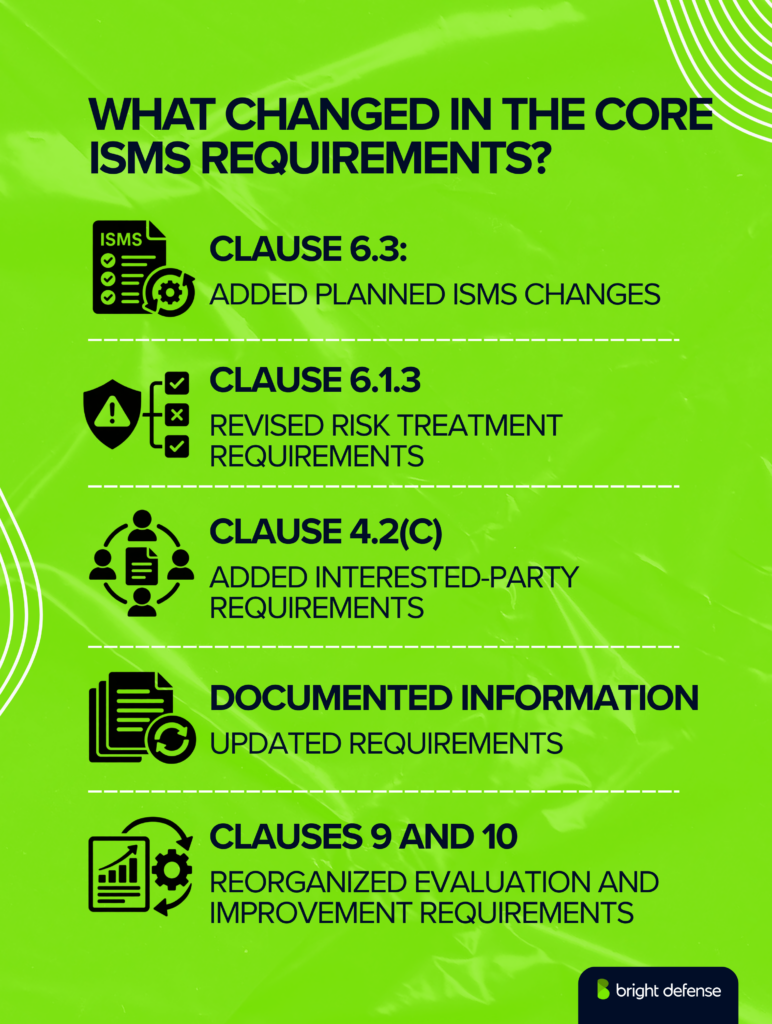
ISO 27001 did not receive a new 2026 edition. Organizations pursuing or maintaining certification in 2026 still use ISO 27001:2022 with Amendment 1:2024, which added climate-related requirements to Clauses 4.1 and 4.2.
The transition from ISO 27001:2013 officially ended on October 31, 2025, meaning current accredited certifications should now reference the 2022 edition. ISO 27001:2022 uses 93 Annex A controls across four themes, including 11 new controls covering areas such as cloud services, threat intelligence, data leakage prevention, monitoring, and secure coding.
Another 2026 development affects the accreditation system. Global ACI replaced IAF and ILAC on January 1, 2026, while the ISO 27006-1:2024 transition for accreditation and certification bodies ended on March 31. ISO 27000:2026 was also published in July, but it is an overview standard and does not replace ISO 27001.
Organizations should keep their risk assessments, Statement of Applicability, control evidence, climate relevance decisions, internal audits, and certification references current under the 2022 requirements.
Read the full ISO 27001 news article for the complete list of 2026 changes, transition details, and certification requirements.
Key Compliance News From July 2026
1. CMMC Phase 2 Certification Rollout Suspended
The Pentagon suspended the CMMC Phase 2 rollout on July 13, 2026, pausing mandatory Level 2 third-party assessments, Level 3 government assessments, and all later implementation milestones. A CMMC Reform Task Force will review assessment costs, limited assessor capacity, and possible changes to the certification model over 60 days.
CMMC Phase 1 remains active. Defense contractors must continue applicable self-assessments, annual affirmations, SPRS reporting, and compliance with FAR and DFARS requirements for protecting federal contract information and controlled unclassified information.
The suspension provides temporary relief to small and medium-sized contractors facing high assessment costs and limited access to qualified assessors. More than 100,000 defense industrial base businesses reportedly required third-party assessments, while only around 100 assessors were available.
Enforcement risks remain during the pause. Contractors can still face contract eligibility problems, government investigations, and False Claims Act exposure for inaccurate cybersecurity representations. Companies should continue maintaining system security plans, closing remediation items, preserving control evidence, and preparing for future verification requirements.
The Pentagon’s review will determine whether CMMC retains broad third-party certification, limits assessments to higher-risk contracts, or adopts a different compliance model. Bright Defense supports CMMC readiness through Security Assessments, Continuous Compliance, and Penetration Testing services.
Read the full CMMC news for the complete timeline, key changes, and what defense contractors should do next.
2. Claude Fable 5 Restored After U.S. Lifts Export Controls
Anthropic restored global access to Claude Fable 5 on July 1, 2026, ending an 18-day suspension triggered by U.S. export controls over a reported jailbreak discovered during Amazon security testing.
The Commerce Department lifted the restrictions after Anthropic introduced new safeguards, including a classifier that blocks the reported jailbreak technique in more than 99% of tested cases. Claude Mythos 5 remains restricted to approved Project Glasswing partners because of its advanced cybersecurity capabilities.
The incident raised broader questions about AI export controls, enterprise governance, and government oversight of frontier AI models. Organizations using Fable 5 should review updated data-retention policies, cloud data-sharing requirements, and internal AI governance before resuming production use.
Read the full Claude Fable 5 story for the complete timeline, safeguard updates, export-control changes, and enterprise guidance.
3. Apple Sues OpenAI Over Alleged Trade Secret Theft
Apple filed a lawsuit against OpenAI on July 10, 2026, alleging the company and two former Apple employees misappropriated confidential hardware designs, manufacturing methods, supplier information, and other trade secrets tied to future consumer devices.
Apple claims former employees retained confidential files, bypassed exit procedures, and shared proprietary information during OpenAI’s hardware hiring efforts.
The lawsuit seeks injunctions, damages, and the return of Apple property. OpenAI denied any interest in competitors’ trade secrets, and no court has ruled that any defendant engaged in wrongdoing.
The case places insider risk, employee offboarding, recruitment practices, and trade secret protection under renewed scrutiny as AI companies expand into hardware development.
Read the full story for the complete allegations, legal claims, compliance lessons, and potential impact on OpenAI’s hardware ambitions.
4. EU Launches Cybersecurity And AI Action Plan
The European Commission launched the EU Action Plan on Cybersecurity and Artificial Intelligence on July 7, 2026, outlining new measures for AI model evaluation, secure cybersecurity testing, vulnerability remediation, and investment in European AI security.
The plan arrives ahead of the August 2, 2026 start of AI Act enforcement for covered general-purpose AI providers. It coordinates existing requirements under the AI Act, NIS2, DORA, the Cyber Resilience Act, and the Cyber Solidarity Act rather than creating a new compliance framework.
Planned initiatives include an EU AI model evaluation capacity, an ENISA access blueprint, a secure testing platform, and a Critical Open Source Resilience Campaign to strengthen Europe’s cyber resilience.
Read the full story for the complete implementation timeline, affected organizations, funding measures, and compliance guidance.
Key Compliance News From June 2026
1. AI Governance Gains Ground With ISO 42001
Organizations are replacing informal AI policies with ISO/IEC 42001 Artificial Intelligence Management Systems that assign ownership, document risk decisions, and create auditable evidence. The shift has accelerated as regulators, enterprise buyers, and boards ask for clearer proof of AI oversight across models, vendors, data, security controls, and business workflows.
ISO/IEC 42001 does not replace the EU AI Act or other legal duties, but it gives companies a structured way to manage AI inventories, impact assessments, human oversight, logging, supplier reviews, incident response, and periodic audits. Major vendors such as AWS, Anthropic, Microsoft, and OpenAI have also published ISO/IEC 42001 certification or assurance statements. Read the full ISO 42001 AI governance analysis.
2. New NYDFS Rules Tighten Compliance for Financial Firms
NYDFS has moved its cybersecurity regulation into a stricter enforcement phase, with expanded MFA, asset inventory, incident reporting, vendor oversight, and annual certification duties now active. The final Second Amendment requirements took effect on November 1, 2025, followed by the first related certification deadline on April 15, 2026.
Recent enforcement shows the financial risk of weak controls. NYDFS announced a $2.25 million Delta Dental settlement in April 2026 over incident response, data retention, and delayed reporting failures, while earlier actions against eight auto insurers produced more than $19 million in penalties. Read the full NYDFS cybersecurity compliance update.
3. PCI DSS Requirement 12.6 Evidence Gaps Grow
PCI DSS Requirement 12.6 now places greater emphasis on formal, documented security awareness programs for merchants and service providers. Annual training alone may not be enough because assessors also review personnel rosters, onboarding records, policy acknowledgments, phishing content, social engineering education, and evidence that the program is reviewed each year.
Organizations should treat PCI SSC awareness training as one part of a broader compliance program. The strongest evidence includes role-based training, company-specific cardholder data procedures, contractor coverage, yearly acknowledgments, and records showing that content was updated for new threats. Read the full PCI DSS Requirement 12.6 analysis.
4. HITRUST CSF v11.8.0 Adds AI and Compliance Mappings
HITRUST CSF v11.8.0 adds new mappings for AI, privacy, continuous monitoring, SOC 2, PCI DSS, and state requirements. Released on May 7, 2026, the update applies to all new e1, i1, and rapid assessments created after that date.
A key addition is the OWASP Top 10 for LLM Applications 2025 mapping, which connects risks such as prompt injection, sensitive data exposure, insecure outputs, and excessive agency with HITRUST control evidence. Organizations should review their MyCSF version, update assessment evidence, and document third-party and AI-related risks under the new framework. Read the full HITRUST CSF v11.8.0 update.
5. EU AI Act Pushes ISO/IEC 42001 Into AI Compliance Planning
The EU AI Act is pushing more companies to use ISO/IEC 42001 as a structured framework for AI governance, documentation, monitoring, and accountability. The standard does not replace legal compliance, but it gives AI providers, deployers, and vendors an auditable management system that supports regulatory preparation and customer reviews.
ISO/IEC 42001 can support work related to AI inventories, risk management, data controls, human oversight, cybersecurity, incident response, and technical documentation. Companies still need separate EU AI Act work for system classification, conformity assessment, transparency notices, CE marking, and other product-specific duties. Read the full ISO/IEC 42001 and EU AI Act compliance analysis.
6. EU AI Act Delay Keeps 2026 Compliance Pressure
The EU has provisionally delayed key high-risk AI Act obligations, but companies still face major compliance work in 2026. Under the May 7, 2026 agreement, stand-alone high-risk AI rules would move to December 2, 2027, while AI embedded in regulated products would move to August 2, 2028.
Transparency duties, GPAI requirements, national enforcement preparations, system classification, technical documentation, cybersecurity controls, and vendor oversight remain active. Companies should continue building AI inventories, documenting risk decisions, reviewing contracts, and preparing evidence for regulators and customers. Read the full EU AI Act delay and compliance analysis.
7. DORA Reshapes Cyber Duties for EU Financial Firms
DORA has turned technology resilience into a binding EU-wide duty for banks, insurers, payment firms, investment firms, and major ICT providers. Since January 17, 2025, covered organizations have faced stricter rules for ICT governance, incident reporting, resilience testing, vendor oversight, and recovery planning.
On June 3, 2026, the European Supervisory Authorities reported 3,383 major ICT-related incidents during 2025. About one-third had cross-border effects, while nearly one-third originated from third parties such as technology providers and financial infrastructure companies.
Financial firms now need clear board accountability, accurate ICT vendor registers, tested recovery procedures, stronger contracts, and documented evidence of operational resilience. Read the full DORA compliance analysis.
8. ISO/IEC 42001 Moves From AI Standard To Vendor Requirement
ISO/IEC 42001 is becoming a practical vendor requirement as enterprise buyers ask AI companies for third-party proof of governed, monitored and documented AI systems.
The standard remains voluntary, but public certifications from AWS, Anthropic, OpenAI, Snowflake, Salesforce and ServiceNow show how quickly it has entered procurement, trust centers and AI Act readiness reviews.
For vendors, the key work is AI inventories, risk records, model governance, data controls, testing evidence, human oversight and supplier documentation. Read the full ISO/IEC 42001 vendor requirement analysis
9. ISO/IEC 27001 Programs Expand To Cover AI Governance With ISO/IEC 42001
Organizations are extending ISO/IEC 27001 security programs into ISO/IEC 42001 as AI systems create risks that traditional information security controls do not fully cover.
ISO/IEC 42001 adds AI governance requirements for model oversight, data quality, human review, transparency, supplier controls, documentation and lifecycle monitoring.
The combined ISO/IEC 27001 and ISO/IEC 42001 approach gives security, legal, risk and compliance teams a clearer way to manage AI evidence, EU AI Act readiness and customer audit requests. Read the full ISO/IEC 27001 and ISO/IEC 42001 analysis
10. CIS v8.1 Updates For NIST CSF 2.0 And Cloud Security
CIS Controls v8.1 updates the cybersecurity baseline to better match NIST CSF 2.0 and modern cloud environments.
The update adds stronger governance mapping, revised asset classes, clearer safeguard descriptions and closer links between technical controls, board reporting, risk ownership and audit evidence.
For cloud teams, the update helps clarify shared responsibility across IaaS, PaaS, SaaS and FaaS environments. Organizations can use the mapping to connect policies, asset inventories, access controls, logging, vulnerability management and penetration testing with NIST CSF 2.0 outcomes. Read the full CIS v8.1 cloud security analysis
11. ISO 27001:2022 Deadline Puts Legacy Certificates At Risk
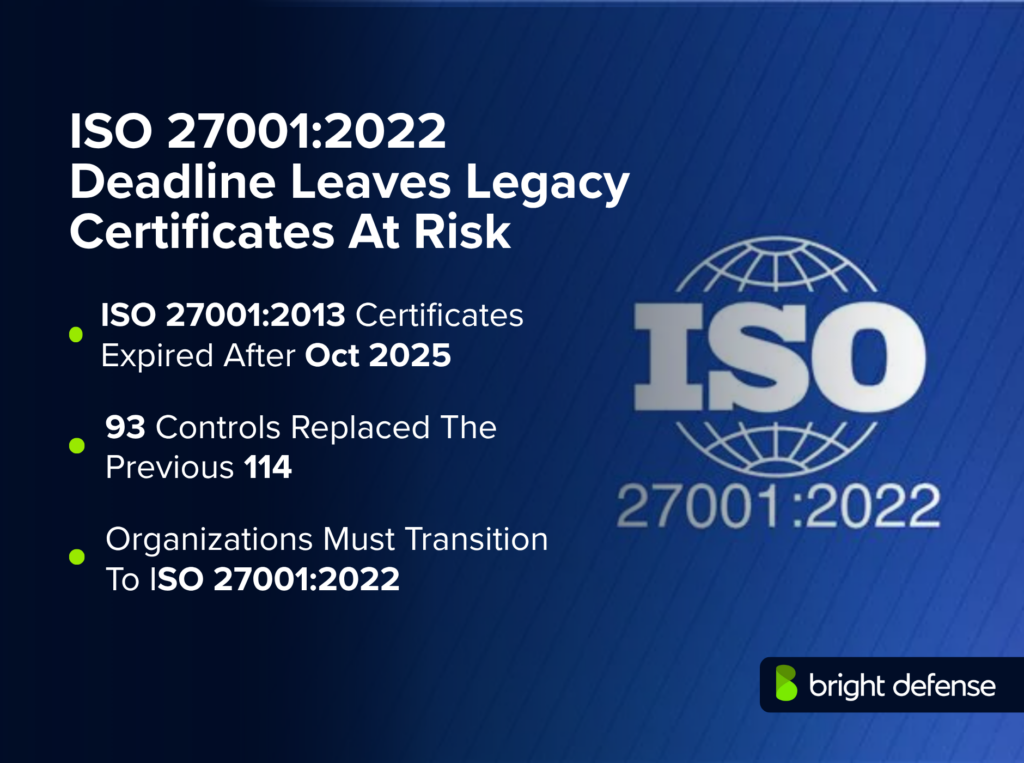
The ISO 27001:2022 transition deadline has created real risk for organizations still relying on ISO 27001:2013 certificates after October 31, 2025. Certificates that were not transitioned may be withdrawn, expire, or fail customer review. (
The issue is not a direct government penalty. The larger concern is contract exposure, failed procurement checks, stale assurance claims, and lost customer confidence.
Organizations that missed the deadline need to review gaps, update their Statement of Applicability, refresh controls, and restart certification work under the 2022 standard. Read the full ISO 27001:2022 deadline analysis
12. NIS2 Addresses EU Compliance Gaps
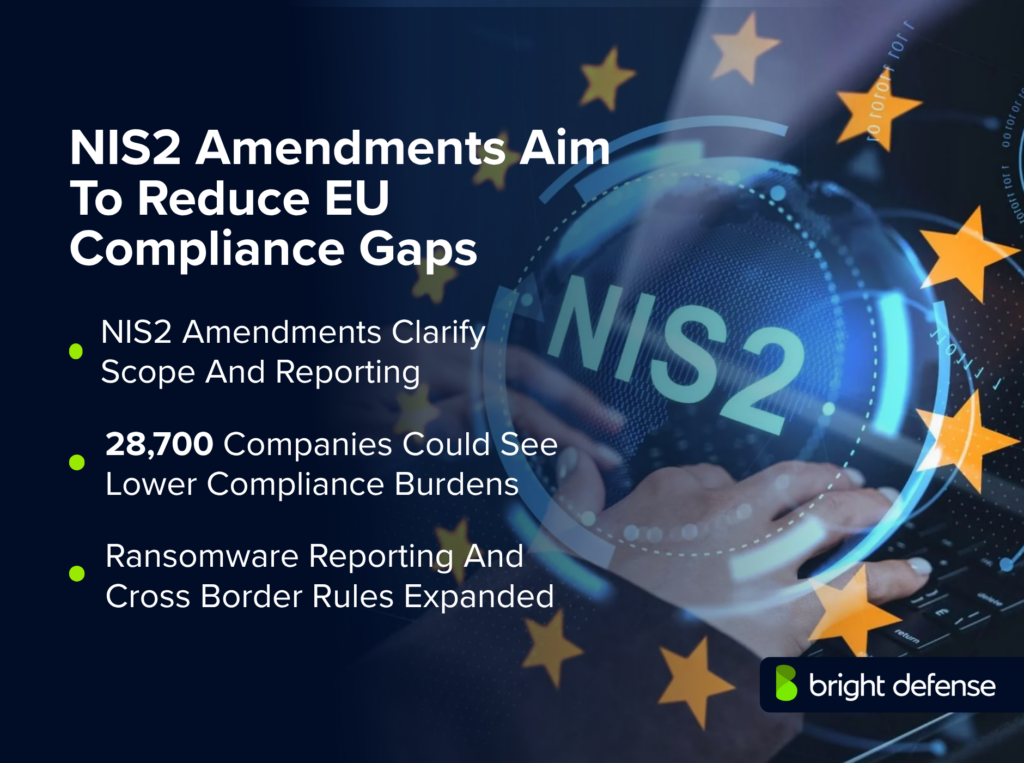
The proposed NIS2 amendments aim to reduce confusion across EU cybersecurity compliance before national rules fully settle. The European Commission proposal from January 20, 2026 focuses on scope, definitions, reporting, cross-border supervision, and ENISA’s role.
The changes could reduce compliance burden for 28,700 companies and create clearer treatment for small and mid-sized firms.
The proposal still needs approval from the European Parliament and Council, so companies should track national implementation and future EU guidance. Read the full NIS2 compliance update
13. SOC 2 Audit Quality Faces New Pressure As Vendor Risk Grows
SOC 2 audit quality is under closer review as buyers depend more on vendor reports for cybersecurity due diligence. AICPA-linked guidance warns that rushed, automated, or poorly scoped SOC 2 work can weaken the trust these reports are meant to provide.
The latest pressure came in 2026, when peer review guidance pushed reviewers to examine SOC 2 engagement risks more closely.
For vendors, the message is clear. SOC 2 reports need strong scoping, evidence testing, auditor independence, and buyer-ready explanations. Read the full SOC 2 audit quality analysis
14. CIRCIA Rulemaking Keeps Federal Cyber Reporting In Motion
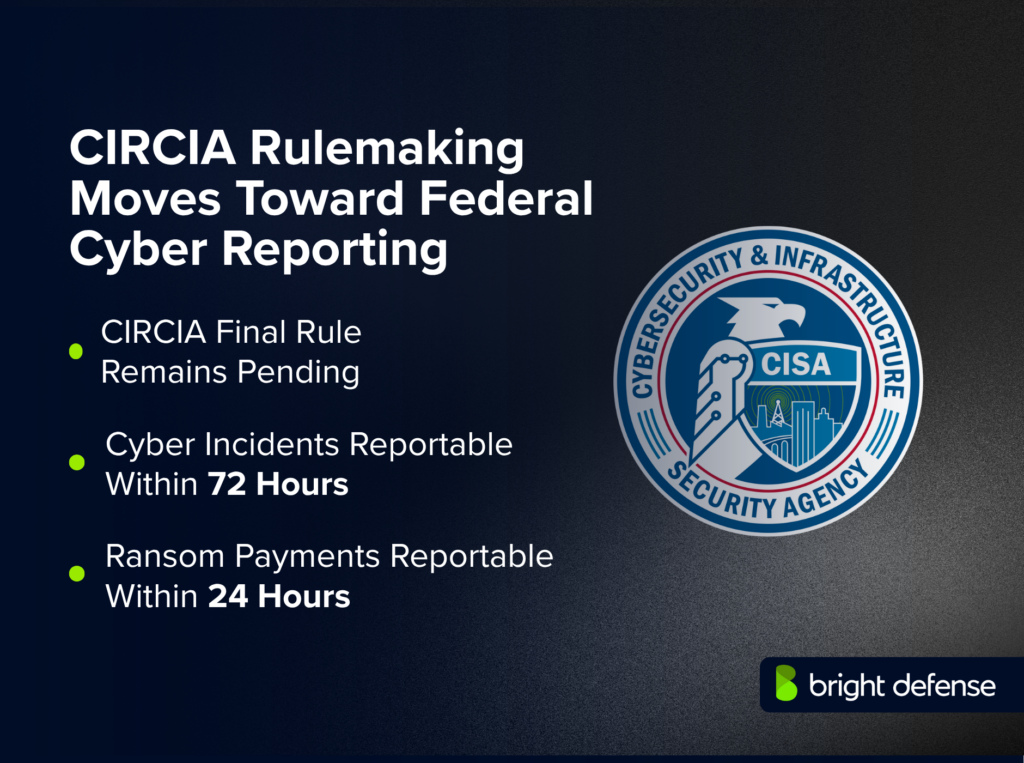
CIRCIA rulemaking is still moving toward final federal cyber incident reporting rules for critical infrastructure organizations. CISA reopened public engagement in June 2026 after industry concerns over scope, cost, duplication, and sector-specific reporting conflicts.
The proposed rule would require covered entities to report major cyber incidents and ransom payments to CISA under federal timelines.
No final rule had been published as of June 18, 2026, so affected organizations should prepare reporting workflows before enforcement begins. Read the full CIRCIA rulemaking update
15. CISA BOD 26-04 Accelerates Federal Patching
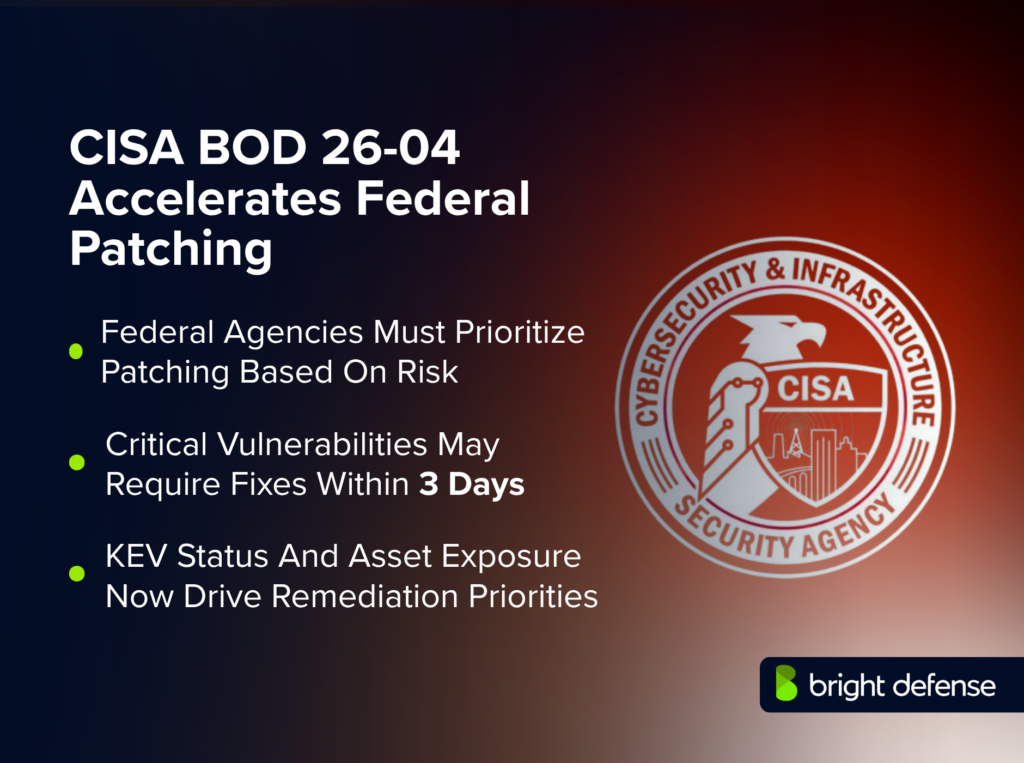
CISA BOD 26-04 changes federal vulnerability management from severity-based patching to risk-based remediation. Issued on June 10, 2026, the directive tells federal civilian agencies to prioritize exposure, known exploitation, exploit automation, and post-exploitation impact.
The most urgent vulnerabilities may require action in as little as 3 calendar days.
The directive replaced BOD 19-02 and BOD 22-01, creating one risk-focused model for federal patching and forensic triage. Read the full CISA BOD 26-04 patching update
16. CISA Pledge Adds Vendor Review Signal
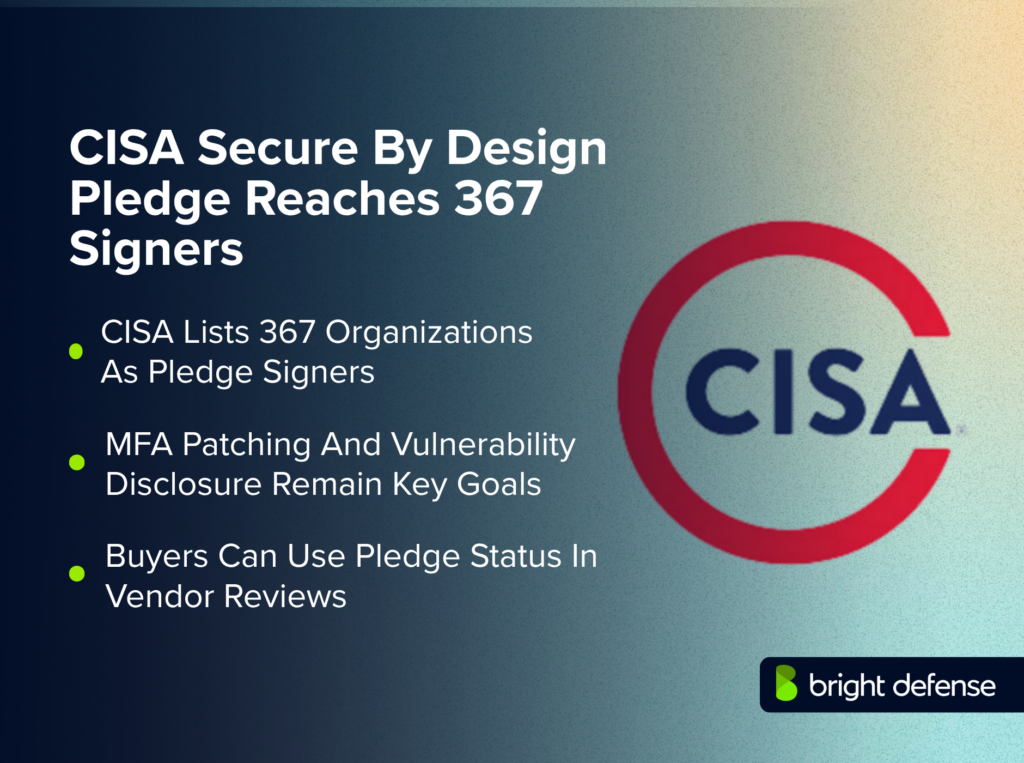
CISA’s Secure By Design Pledge now gives software buyers a public signal for vendor security review. The agency listed 367 signer organizations, giving procurement and risk teams a stronger basis to ask about secure defaults, MFA, vulnerability handling, patching, and product-security evidence.
The pledge remains voluntary, so signing does not prove a product is secure.
The practical value is buyer pressure. Signers can be asked for progress reports, while non-signers can be asked for equivalent security evidence. Read the full CISA Secure By Design Pledge analysis
17. DORA Makes Resilience Testing A Finance Priority
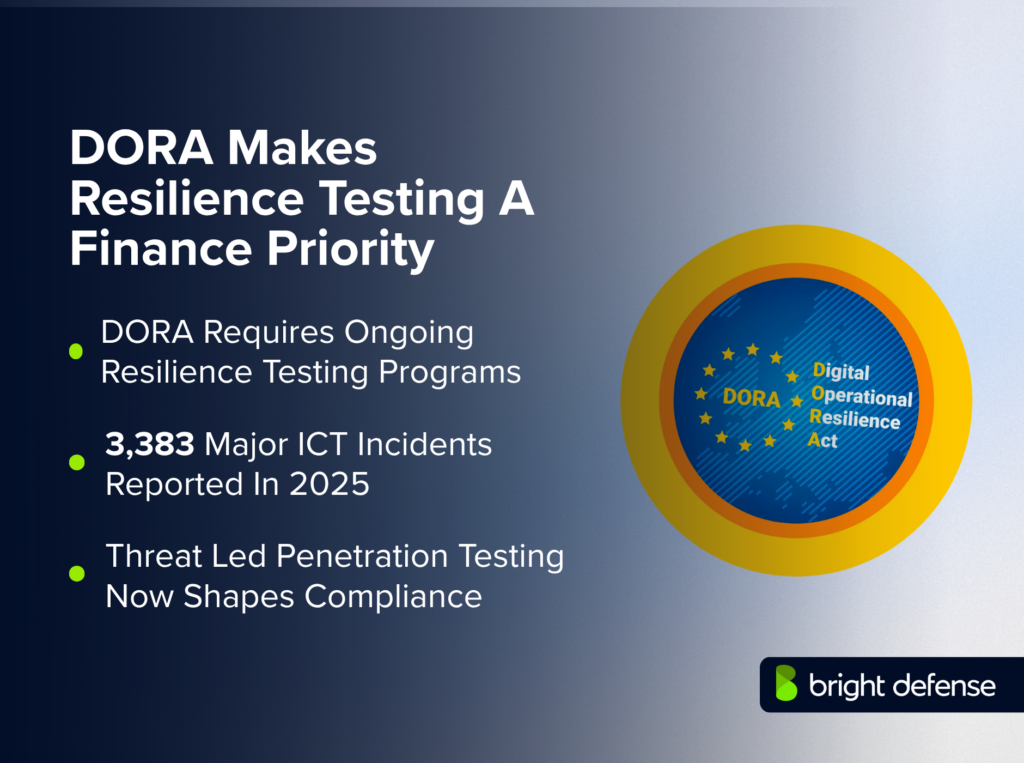
DORA has moved resilience testing from policy language into active compliance for Europe’s financial sector. Since January 17, 2025, covered firms have needed to show that critical ICT systems, providers, and processes can withstand cyber disruption.
The regulation affects banks, insurers, payment providers, investment firms, and ICT third-party service providers.
Testing, remediation, incident reporting, and board oversight now sit at the center of digital operational resilience programs across EU finance. Read the full DORA resilience testing analysis
18. CMMC 2.0 Starts New Compliance Era For DoD Contractors
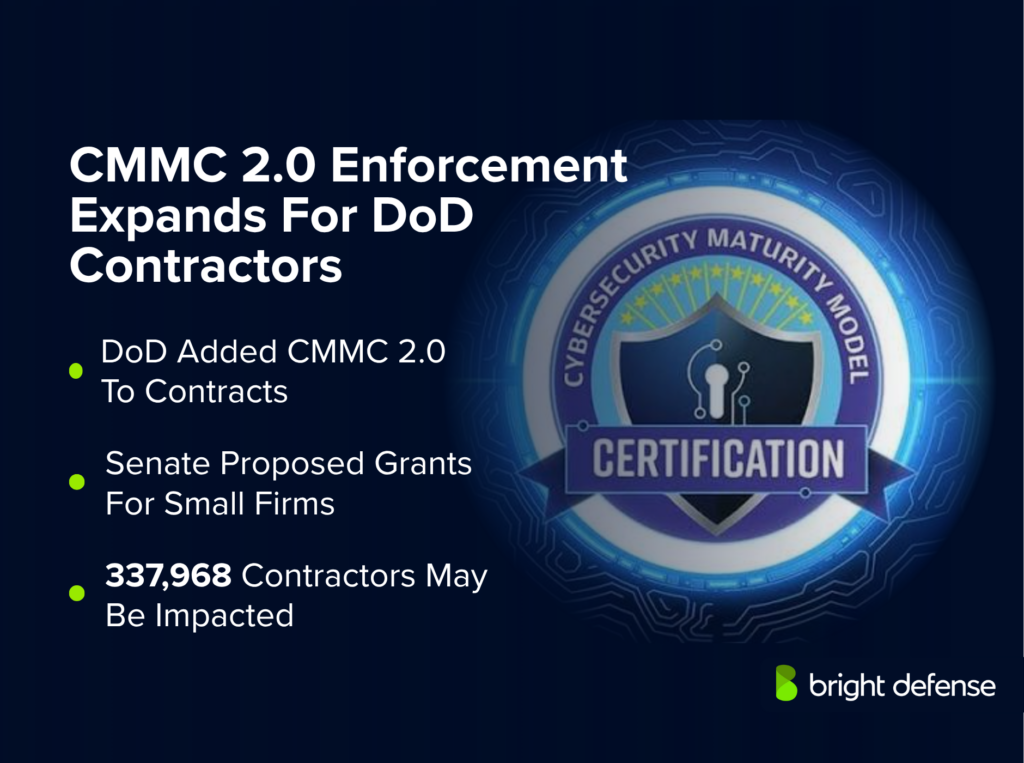
CMMC 2.0 has moved defense cybersecurity compliance from policy planning into contract enforcement, putting stronger pressure on DoD contractors and subcontractors to prove their security status before winning or keeping covered awards. The rule ties contract eligibility to verified assessment levels, annual affirmations, SPRS records, and controls for Federal Contract Information and Controlled Unclassified Information. Small businesses remain a major focus because assessment costs, evidence work, and subcontractor flow-down duties could affect thousands of firms across the defense supply chain.
19. HIPAA Rule Rewrite Puts Cyber Controls On The Clock
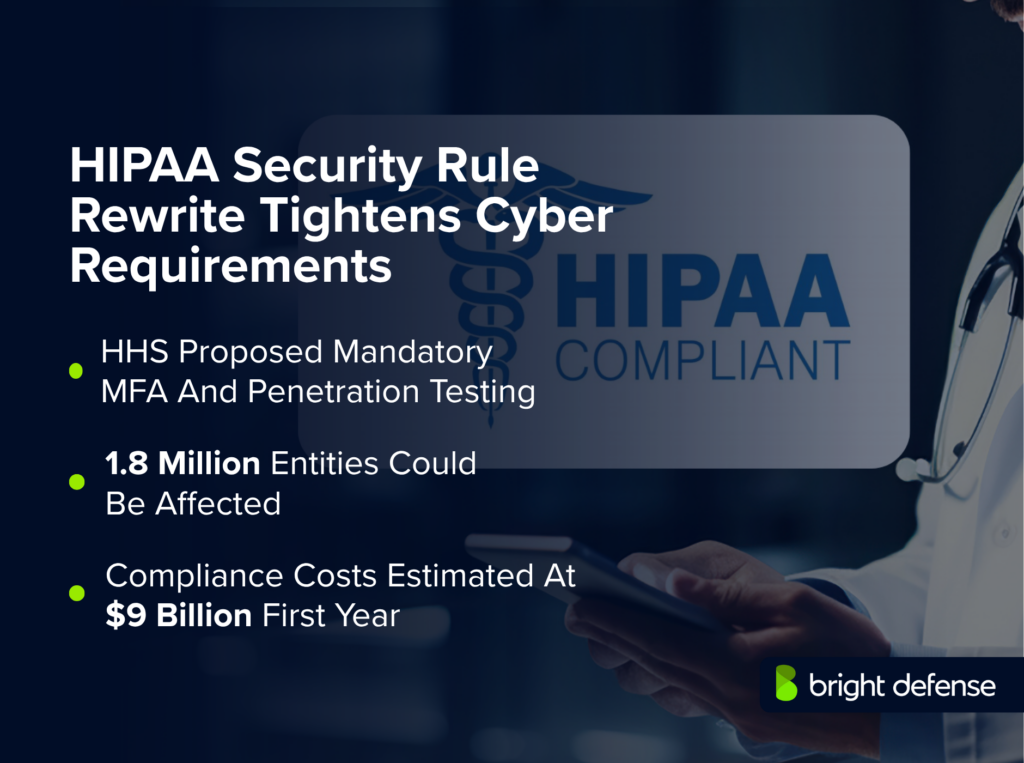
HHS OCR’s proposed HIPAA Security Rule rewrite would move healthcare cybersecurity toward stricter technical safeguards for covered entities and business associates. The proposal would require controls such as multi-factor authentication, encryption, asset inventories, network maps, vulnerability scans every six months, penetration testing every 12 months, and critical system recovery planning within 72 hours. Healthcare organizations reviewing these changes should also understand the current HIPAA backup and recovery requirements, including data backup plans, disaster recovery procedures, emergency-mode operations, restore testing, and ePHI recovery. The final rule has not yet been published, but organizations are already under pressure to strengthen security evidence, risk analysis, vendor oversight, and cyber recovery records.
20. PCI DSS v4.0.1 Sets New Baseline For Cardholder Data Security
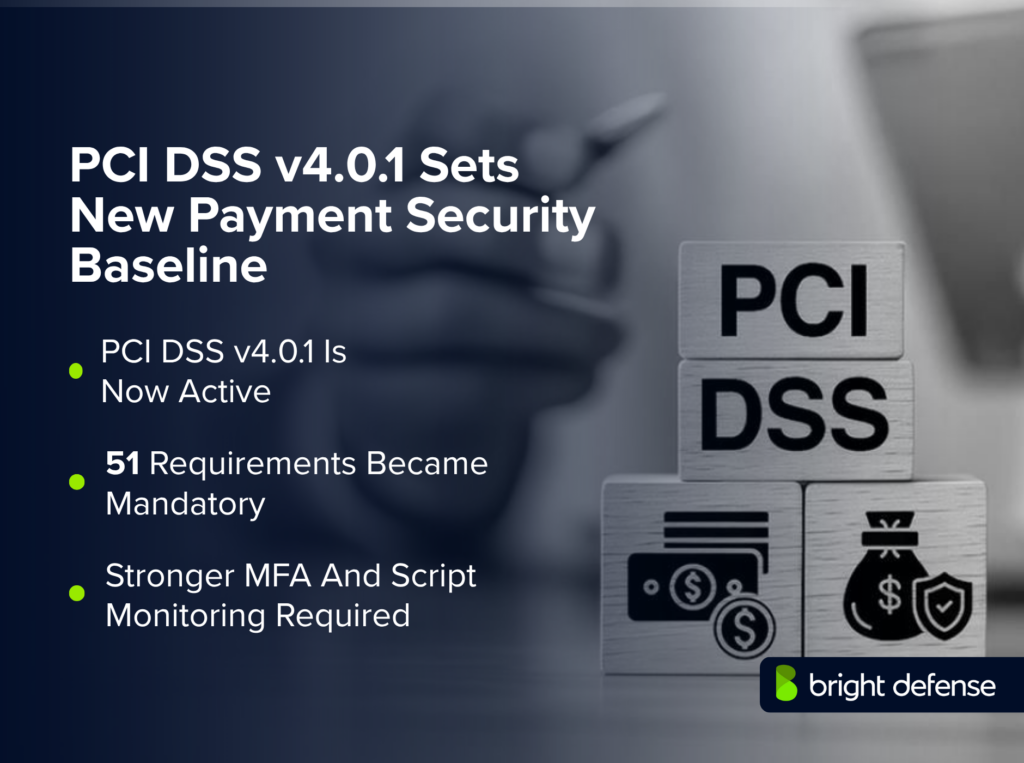
PCI DSS v4.0.1 is now the active payment security baseline for organizations that store, process, transmit, or affect cardholder data. The standard completed the transition from PCI DSS v3.2.1 and made future-dated PCI DSS v4.x requirements active after March 31, 2025. Merchants, service providers, payment processors, and e-commerce teams must now focus on payment-page scripts, stronger authentication, vulnerability management, logging, third-party oversight, evidence collection, and ongoing validation instead of treating PCI as a once-a-year assessment task.
Read the full reports to learn more:
Key Compliance News From May 2026
1. Colorado Rewrites Major AI Law Ahead of January 2027 Rollout
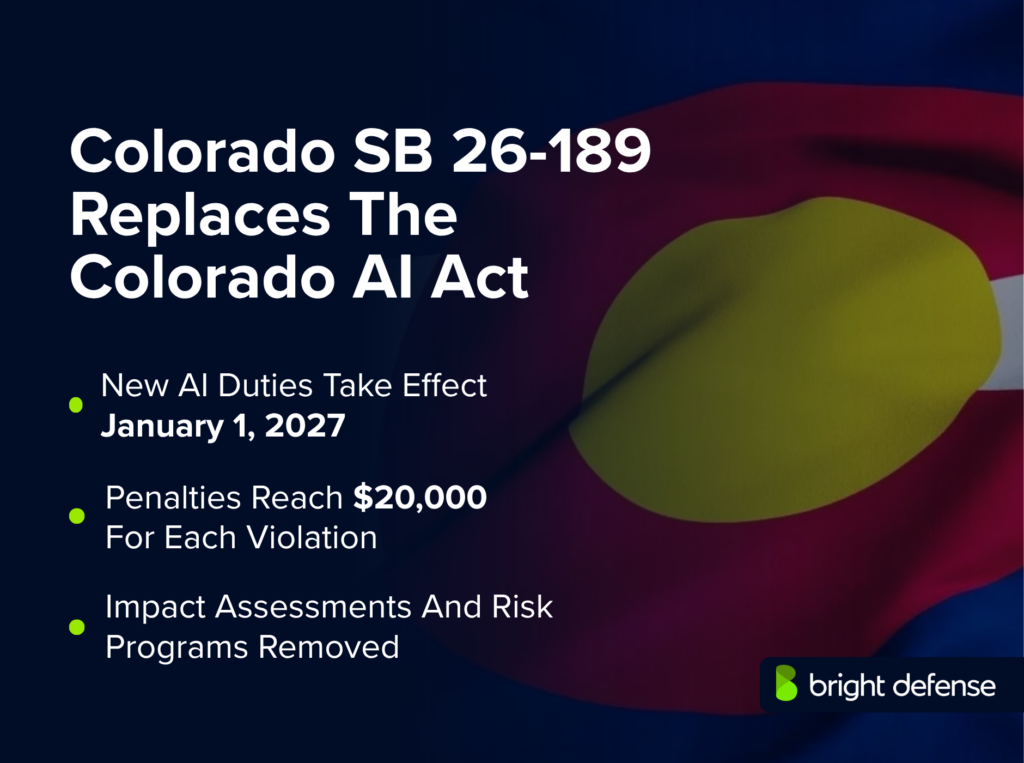
Colorado has replaced its 2024 AI law with SB 26-189, shifting from algorithmic discrimination and risk-management requirements toward transparency, consumer notice, and human review. Signed on May 14, 2026, the new law takes effect January 1, 2027.
The law covers automated decision-making used in areas such as employment, housing, lending, insurance, healthcare, and education. Developers must document system uses, risks, and limitations, while deployers must notify consumers before the technology materially influences important decisions.
Organizations must also explain adverse outcomes within 30 days and provide information about review rights. Several requirements from the earlier law, including impact assessments, formal risk-management programs, and mandatory discrimination reporting, have been removed.
The Colorado Attorney General can impose penalties of up to $20,000 per violation, making AI inventories, vendor documentation, consumer notices, and decision records key compliance priorities before 2027.
Read the full Colorado AI law news article for the complete timeline, compliance requirements, and enforcement details.
Key Compliance News From April 2026
1. OCR Slaps 4 Firms With $1.165M In Fines
Date: 23 Apr, 2026
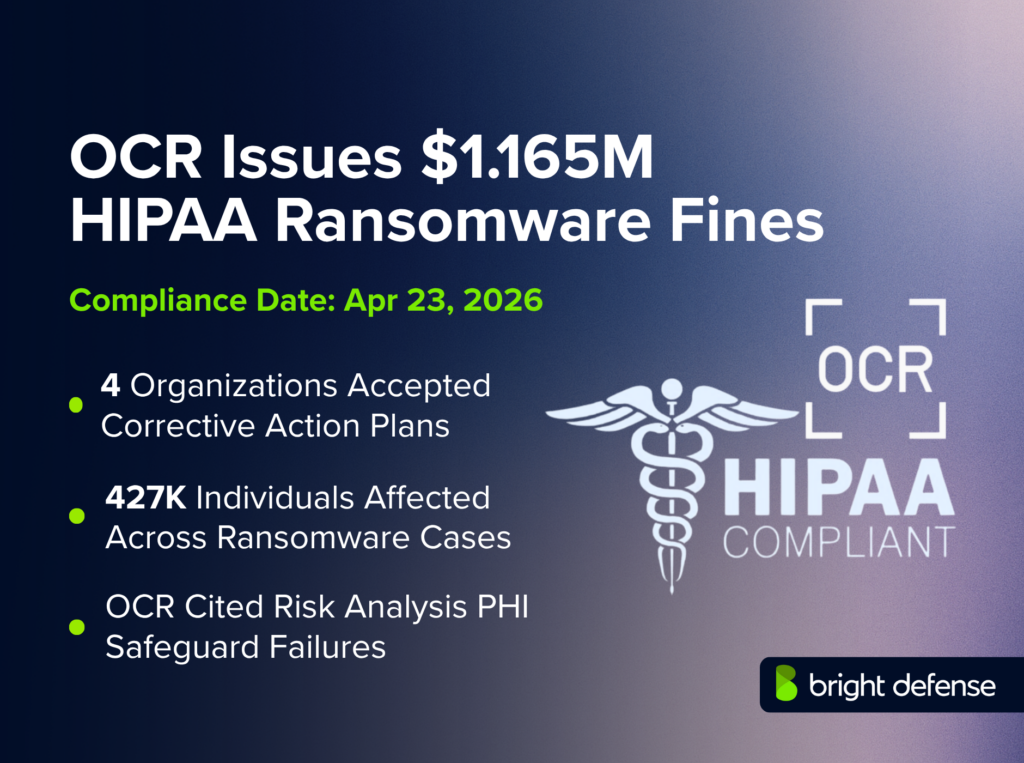
HHS OCR announced $1.165 million in HIPAA ransomware settlements on 23 Apr, 2026, turning four breach investigations into a clear compliance warning for healthcare providers, plans, and business associates. The cases involved Regional Women’s Health Group, Assured Imaging, Consociate Health, and Star Group’s health plan, with ransomware incidents affecting more than 427,000 individuals. OCR tied the penalties to Security Rule failures, especially missing or weak risk analysis, impermissible PHI disclosure, delayed breach notice, and inadequate ePHI safeguards. Each organization accepted a two-year corrective action plan, which means the real cost goes beyond the penalty and into monitored compliance repair.
Bright Defense can help healthcare organizations validate HIPAA controls and test ransomware exposure before OCR investigations turn security gaps into costly compliance findings.
Source: HHS OCR.
2. CMMC Phase 2 Locks In C3PAO Certs
Date: 10 Nov, 2026
CMMC Phase 2 turns third-party certification into a contract eligibility issue for many DoD contractors starting 10 Nov, 2026. Under 32 CFR Part 170, Phase 2 begins one calendar year after Phase 1 and allows DoD to require Level 2 C3PAO status for applicable solicitations and contracts as a condition of award. Contractors handling FCI or CUI cannot treat self-assessment as the safe default anymore, because Level 2 C3PAO certification, SPRS entries, annual affirmation, evidence retention, and POA&M closeout now affect bid readiness. Conditional Level 2 status can expire after 180 days, which makes early assessment planning critical.
Bright Defense can help DoD contractors prepare for CMMC Level 2 readiness through cybersecurity compliance support and penetration testing before C3PAO findings delay contract awards.
Source: eCFR
3. Self-Funded Plan Pays $245K After Ransomware
Date: 23 Apr, 2026
Star Group, L.P. Health Benefits Plan agreed to pay $245,000 after HHS OCR investigated a ransomware incident affecting 9,316 individuals. The self-funded employee benefits plan reported the breach on 22 Oct, 2021, after an unauthorized actor deployed ransomware against its information system and exposed names, addresses, dates of birth, SSNs, and health insurance information. OCR said the plan impermissibly disclosed PHI and failed to complete an accurate, thorough risk analysis for ePHI confidentiality, integrity, and availability. The settlement includes a corrective action plan, making this a direct warning that employer-sponsored health plans face HIPAA Security Rule enforcement, not just hospitals and clinics.
Bright Defense can help self-funded health plans test ransomware exposure and close HIPAA Security Rule gaps before OCR review turns missing risk analysis into a costly settlement.
Source: HHS OCR
4. CISA Adds 7 KEV Entries Hitting Microsoft And Adobe
Date: 13 Apr, 2026
CISA added seven vulnerabilities to KEV on 13 Apr, 2026, making them required remediation priorities for federal civilian agencies under BOD 22-01 and a practical patch benchmark for private sector compliance teams. The batch includedfour Microsoft flaws, CVE-2012-1854, CVE-2023-21529, CVE-2023-36424, and CVE-2025-60710, plus two Adobe Acrobat or Reader flaws, CVE-2020-9715 and CVE-2026-34621, with one Fortinet flaw in the same action. CISA said each entry had evidence of active exploitation, and FCEB agencies received a 27 Apr, 2026 deadline for the Microsoft and Adobe items. The compliance takeaway is simple: KEV entries should control patch SLAs, exception tracking, and audit evidence. (CISA)
Bright Defense can help organizations validate KEV exposure and test Microsoft, Adobe, and document-processing attack paths before known exploited CVEs become audit failures or breach entry points.
Source: CISA
5. SEC Cyber Disclosures Pass 2025 Pace
Date: 06 May, 2026
SEC cyber disclosures are tracking above the 2025 pace as public companies continue using Form 8-K to report material and voluntary cybersecurity incidents through EDGAR. The compliance issue is not just filing volume; it is whether disclosure committees can prove when materiality was evaluated, what facts were known, and why the company chose Item 1.05 or another Form 8-K item. The SEC rule requires material cyber incidents to be disclosed within four business days after materiality is determined, which puts pressure on legal, finance, security, and board reporting workflows. For public companies, the control evidence now matters as much as the incident narrative.
Bright Defense can help public companies test incident response, disclosure readiness, and cyber controls before SEC reporting timelines expose gaps in governance and evidence.
Source: SEC EDGAR
Key Compliance News From March 2026
1. MMG Fusion Pays $10K Over 15M PHI Leak
Date: 05 Mar, 2026
HHS OCR announced on 05 Mar, 2026 that MMG Fusion, LLC agreed to pay $10,000 to settle a HIPAA investigation tied to an unreported cyber incident affecting about 15 million individuals. OCR opened the case inMarch 2023 after a complaint reported PHI on the dark web. Investigators found that an unauthorized actor infiltrated MMG’s systems in December 2020, exposing names, phone numbers, mailing addresses, emails, birth dates, and appointment dates. OCR tied the case to impermissible PHI disclosure, failure to conduct an accurate risk analysis, and failure to notify covered entities. MMG entered a three-year corrective action plan.
Bright Defense can help healthcare business associates test HIPAA safeguards and breach notification readiness before dark web exposure becomes an OCR enforcement case.
Source: HHS OCR
2. Delve Whistleblower Alleges 493 Fake SOC 2 Reports
Date: 31 Mar, 2026
A whistleblower writing as DeepDelver alleged that Delve generated fabricated SOC 2 and ISO 27001 evidence, turning fast compliance automation into a vendor risk warning for companies that relied on those reports. IANS reported that textual analysis found nearly identical boilerplate in 493 of 494 SOC 2 reports, including repeated grammatical errors, while all 259 SOC 2 Type II reports allegedly carried identical auditor conclusions. Delve denied the claims, saying it does not issue compliance reports and that independent auditors provide final opinions. The compliance takeaway is direct: SOC 2 buyers must verify auditor independence, report scope, test evidence, and control operation before treating any attestation as trust proof. (IANS)
Bright Defense can help SaaS companies and buyers validate SOC 2 evidence, audit readiness, and vendor security claims before weak attestations create contract, privacy, or regulatory exposure.
Source: IANS.
Key Compliance News From February 2026
1. Top of the World Ranch Pays $103K Over 1,980 Records
Date: 19 Feb, 2026
HHS OCR announced on 19 Feb, 2026 that Top of the World Ranch Treatment Center agreed to pay $103,000 after a March 2023phishing breach exposed ePHI for 1,980 patients. OCR said the Illinois substance use disorder treatment provider filed the breach report after an unauthorized third party accessed data through a workforce member’s email account. The agency found that the provider failed to conduct an accurate and thorough HIPAA Security Rule risk analysis for ePHI confidentiality, integrity, and availability. The settlement became OCR’s 11th Risk Analysis Initiative enforcement action and requires a two-year corrective action plan covering risk analysis, risk management, policies, procedures, and workforce training.
Bright Defense can help healthcare providers test phishing exposure and HIPAA risk analysis gaps before one compromised mailbox turns into OCR enforcement.
Source: HHS OCR
2. FTC Sends 2nd Ransomware Report To Congress
Date: 06 Feb, 2026
The FTC issued its second ransomware report to Congress on 06 Feb, 2026, updating lawmakers on its work against ransomware and other cyberattacks under the RANSOMWARE Act. The report frames ransomware as a consumer protection and data security issue, not just an incident response problem. The FTC highlighted its data security enforcement program, public and business education, action against tech support scam actors, and international cyber coordination tied to China, Russia, North Korea, and Iran. The agency said it has brought more than 90 data security enforcement actions with favorable outcomes, including matters involving GoDaddy and Illuminate Education.
Bright Defense can help organizations test ransomware readiness and data security controls before FTC scrutiny turns weak safeguards into a compliance and consumer protection issue.
Source: FTC
Key Compliance News From January 2026
1. California DROP Opens For Data Broker Deletion
Date: 01 Jan, 2026
California’s DROP platform went live on 01 Jan, 2026, giving residents one state-run channel to request deletion and opt-out from more than 500 registered data brokers. The California Privacy Protection Agency says consumers verify California residency, create a profile, and submit a single DROP request instead of contacting brokers one at a time. The compliance clock now shifts to data brokers: processing starts on 01 Aug, 2026, requests must be checked every 45 days, and matching personal data must be deleted within 90 days unless a legal exemption applies. This turns deletion intake, identity matching, vendor coordination, and status reporting into auditable privacy obligations.
Bright Defense can help privacy-regulated businesses test deletion workflows, vendor data flows, and security controls before consumer privacy requests expose operational compliance gaps.
Source: California Privacy Protection Agency
2. Indiana Privacy Law Hits 100K Threshold
Date: 01 Jan, 2026
Indiana’s Consumer Data Protection Act took effect on 01 Jan, 2026, adding another state privacy law for companies that collect or use resident data. The law applies to businesses operating in Indiana or targeting Indiana residents that control or process personal data of at least 100,000 Indiana consumers in a calendar year. A second trigger covers businesses processing data of at least 25,000 Indiana consumers and earning more than 50% of gross revenue from selling personal data. The compliance takeaway is direct: privacy notices, consent for sensitive data, consumer rights workflows, processor contracts, and data protection assessments now need Indiana coverage.
Bright Defense can help organizations test privacy, security, and vendor controls before new state privacy thresholds turn data handling gaps into regulatory exposure.
Source: Indiana General Assembly
Key Compliance News From December 2025
1. FTC Locks Illuminate Into 10-Year Order
Date: 01 Dec, 2025
The FTC announced on 01 Dec, 2025 that Illuminate Education would be required to implement a security program and delete unnecessary student data after a breach exposed personal data for more than 10 million students. The FTC alleged that a hacker used credentials from a former employee who had left three and a half years earlier to access cloud databases in late December 2021. Exposed data included addresses, birth dates, student records, and health-related information. The proposed order bars misleading security claims, requires data deletion, mandates a written retention schedule, and forces breach reporting to the FTC. The compliance lesson is clear: edtech vendors must treat student data retention, access controls, and offboarding as board-level security evidence.
Bright Defense can help education vendors test cloud access controls and data retention practices before weak safeguards turn student records into FTC enforcement exposure.
Source: FTC
2. FTC Hits Nomad With 10-Year Order After $186M Heist
Date: 16 Dec, 2025
The FTC announced on16 Dec, 2025 that Illusory Systems, doing business as Nomad, would face a proposed 10-year order after hackers exploited weak software development practices and stole $186 million from consumers. The agency alleged Nomad marketed itself as “security-first,” yet pushed inadequately tested code in June 2022 that introduced a major token bridge flaw exploited just over a month later. Consumers still lost abou t$100 million after partial recovery. The proposed order requires a written security program, third-party assessments, truthful security claims, annual certification, and return of recovered assets. The compliance message is clear: security claims, code review, incident response, and loss controls must match actual engineering evidence.
Bright Defense can help fintech and Web3 companies test software security controls and compliance evidence before one code defect becomes an enforcement action.
Source: FTC