
Resources
Multi-Framework Compliance: Managing Shared Controls and Evidence
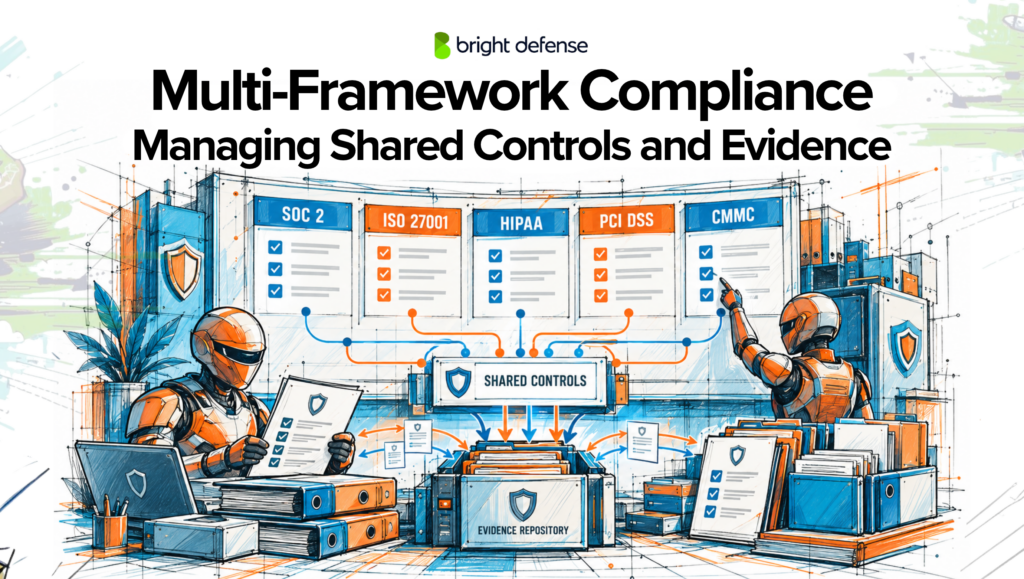
Multiframework compliance brings the requirements of multiple standards and regulations into one coordinated security program. It helps teams reuse controls and evidence while addressing the requirements unique to each framework.Nearly 70% of respondents in Coalfire’s compliance study managed at least six frameworks. Running a separate program for each can mean asking the same employees for…
Read MoreSOC 2 Policies And Procedures
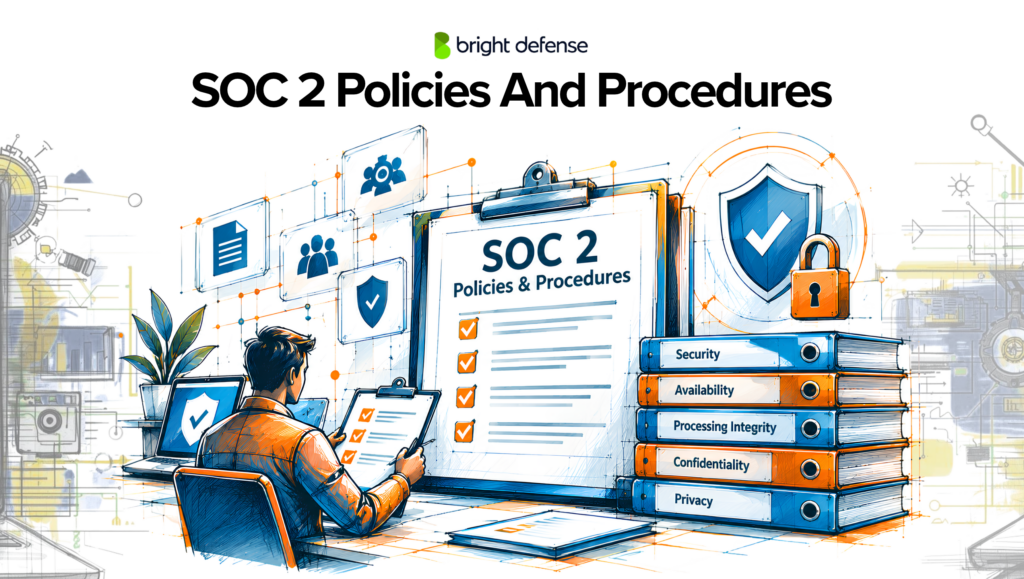
SOC 2 policies explain how your organization protects information and who is responsible for that work. Procedures turn those expectations into steps employees can follow and managers can verify.88% of the 75 completed examinations in Lazarus Alliance’s 2026 benchmark required additional SOC 2 audit evidence after the initial submission. These requests can include routine clarification.…
Read More5 Best MDM Softwares for Getting Compliance Fast in 2027
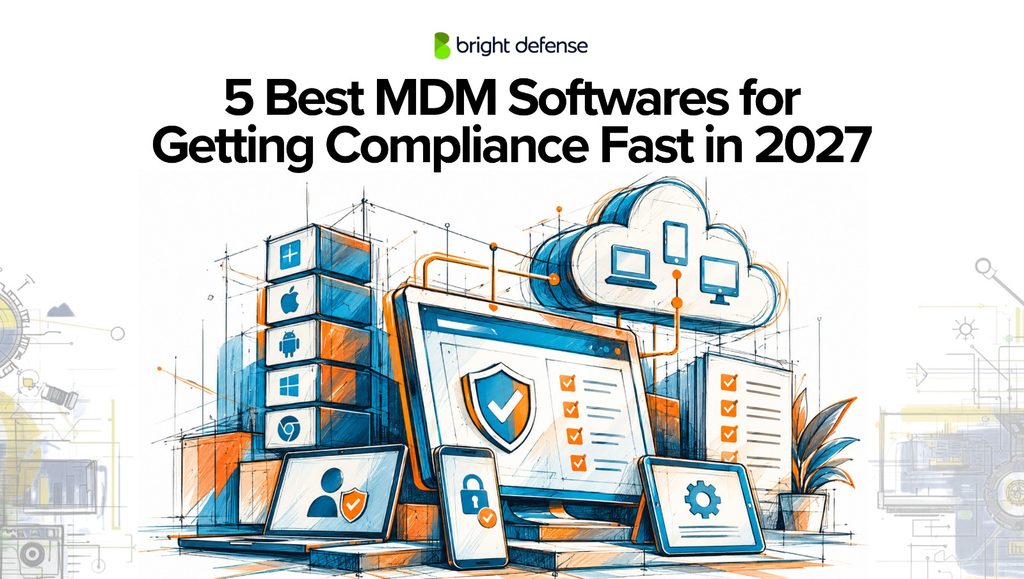
Every major security framework eventually asks the same question about your laptops and phones: can you prove they are encrypted, patched, locked, and owned by people who still work for you? SOC 2, ISO 27001, HIPAA, and NIST all expect device-level controls, and auditors want evidence that those controls held up across the whole observation…
Read MoreSOC 2 Password Requirements for 2026
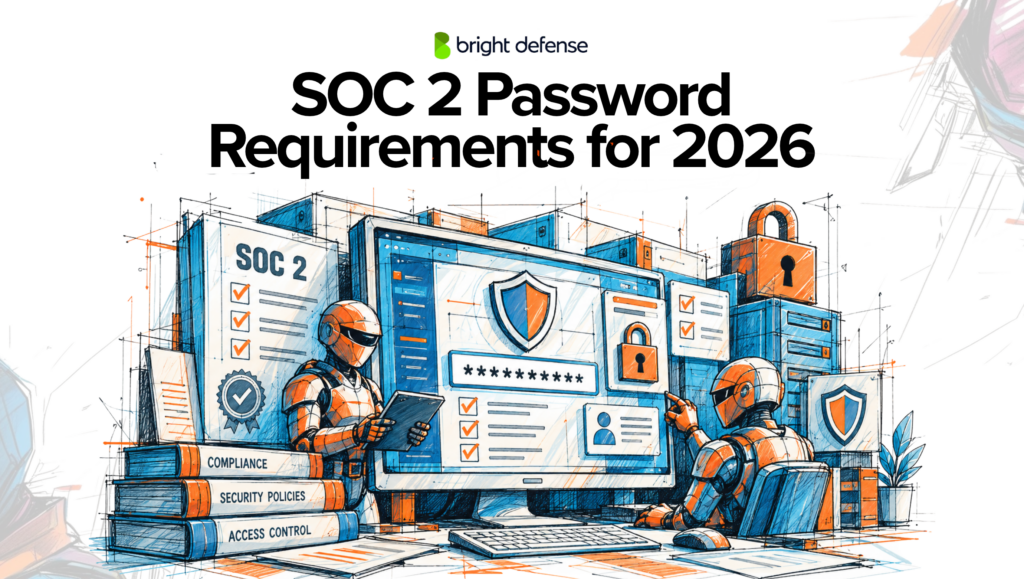
SOC 2 password requirements are the authentication controls an organization uses to protect access to its systems and data. The AICPA’s Trust Services Criteria guide the assessment; each organization selects and enforces controls suited to its services and access risks.27.2% of initial-access activity in Google Cloud’s observed H2 2025 dataset involved weak or absent credentials,…
Read MoreISO 27001 vs SOC 2 – Whats the Difference
ISO 27001 and SOC 2 help organizations demonstrate their security practices, but they provide different forms of assurance. ISO 27001 sets requirements for an information security management system (ISMS), against which an organization can achieve certification. SOC 2 produces an independent attestation report on a service organization’s controls.Choosing between ISO 27001 and SOC 2 starts with…
Read More50+ CMMC Statistics for 2026
Defense contractors need more than a signed contract to keep Department of Defense work. The Cybersecurity Maturity Model Certification (CMMC) program verifies that a contractor protects Federal Contract Information (FCI) and Controlled Unclassified Information (CUI) at the level its contracts require.Level 1 covers basic safeguarding of FCI, Level 2 maps to the 110 requirements in…
Read More60 SOC 2 Compliance Statistics for 2026
About 70% of Drata customers hold a SOC 2 attestation, according to the company’s 2026 analysis of thousands of active accounts. Among organizations surveyed by Secureframe, 73% share third-party audit reports, such as SOC 2 reports, to demonstrate their security practices. A SOC 2 report examines a service organization’s controls against criteria relevant to security, availability, processing…
Read MoreWhat Is The Difference Between DoS Attacks And DDoS Attacks?
A denial-of-service (DoS) attack makes a service unavailable by overwhelming or disrupting it. A distributed denial-of-service (DDoS) attack does the same using multiple sources. The scale of the threat is clear: Cloudflare mitigated 935network-layer DDoS attacks exceeding 1 Tbps in the first half of 2026. The key difference is where the attack comes from, though both…
Read MoreHIPAA Backup and Recovery Requirements for 2026
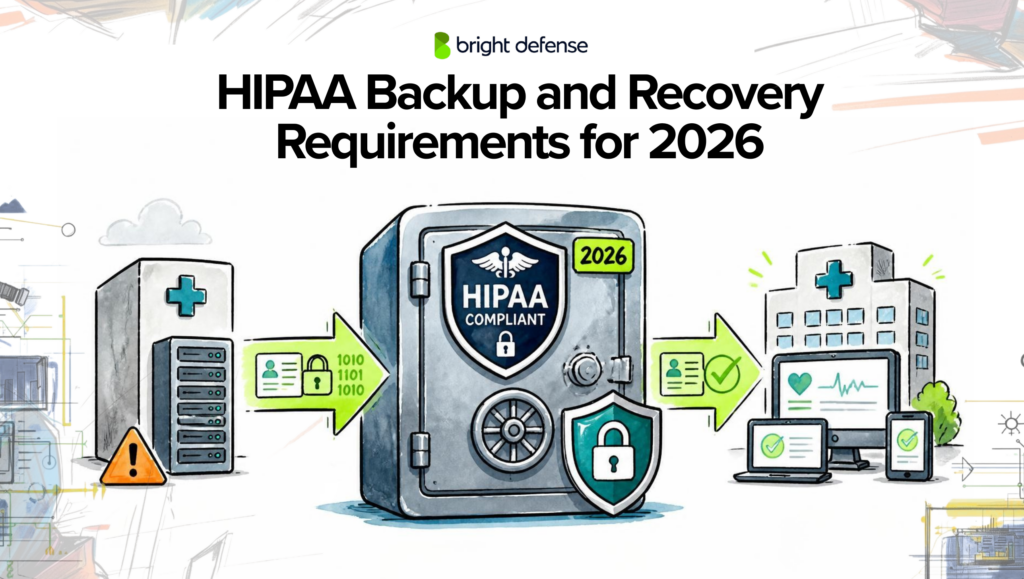
Only 51% of healthcare organizations hit by ransomware in 2025 used backups to recover encrypted data, down from 72% the previous year, according to Sophos. That decline puts greater pressure on healthcare organizations to maintain backups that can actually support recovery when systems or ePHI become unavailable.The HIPAA Security Rule requires covered entities and business…
Read MoreISO 42001 Internal Audit Guide for 2026
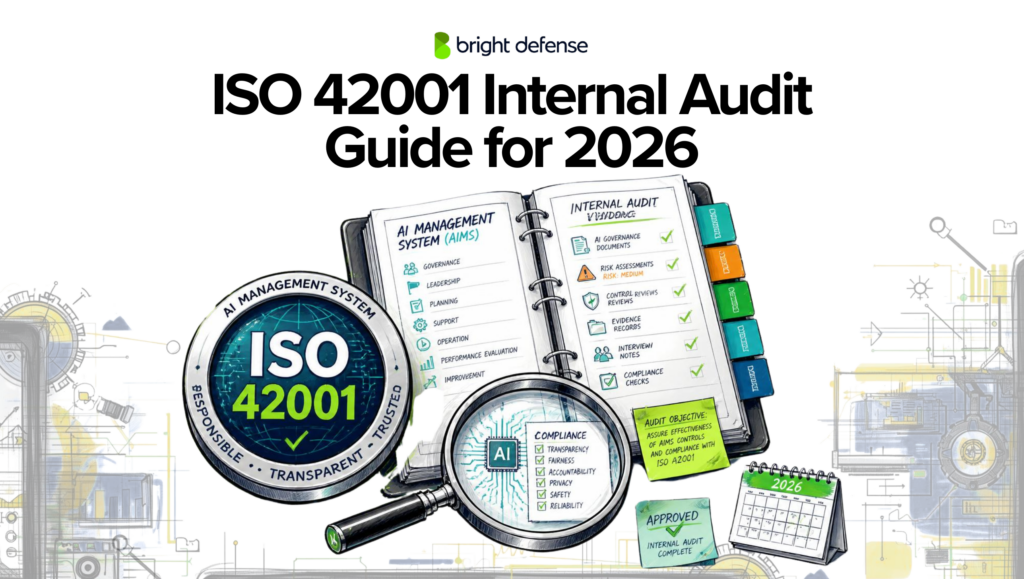
ISO/IEC 42001 influenced responsible AI decision-making at 36% of surveyed organizations in 2025, reflecting growing adoption of formal AI governance standards. Audit readiness remains much weaker: 78% of business executives lack strong confidence that their organization could pass an independent AI governance audit within 90 days. ISO 42001 internal audits help organizations test their AIMS…
Read More