
Resources
SOC 2 Audit Costs in 2026
Understanding the intricacies of SOC 2 audit costs in 2023 is crucial for businesses prioritizing data security. Our latest article delves deep into the various components that shape these costs, from audit types and trust services criteria to preparation strategies and ongoing maintenance. Discover how factors like geographical location and industry-specific requirements can influence your audit expenses, and learn the undeniable benefits of achieving SOC 2 compliance. Equip your organization with the knowledge to navigate the audit process efficiently and safeguard your reputation in the digital age.
Read MoreKnowBe4 Compliance Manager Migration: KCM to Drata
In the rapidly evolving landscape of cybersecurity and compliance, businesses are continuously seeking more efficient, reliable, and scalable solutions to manage their governance, risk, and compliance (GRC) needs. With a myriad of tools available, the migration from one platform to another is a decision that involves careful consideration of various factors including functionality, ease of…
Read MoreSOC 2 vs. NIST: Choosing the Right Compliance Framework
Choosing the right compliance framework for your business can be complicated. SOC 2 vs. NIST is a common framework comparison. Both frameworks aim to protect your data, but they take different routes. SOC 2 is focused on trust and security in handling customer data, especially for service organizations. On the other hand, NIST provides a…
Read MoreStateRAMP vs. FedRAMP: Navigating Local and Federal Cybersecurity Standards
Introduction to StateRAMP vs. FedRAMPUnderstanding the nuances between different cybersecurity frameworks is essential in the complex world of government IT contracting. StateRAMP vs. FedRAMP is a common comparison for organizations looking to do business with government agencies. While similar in their aims to safeguard data integrity and security, these frameworks cater to different governmental levels.…
Read MoreA Comprehensive Guide to CMMC Gap Assessment
A CMMC gap assessment compares an organization’s current safeguards and supporting evidence against the requirements of its applicable Cybersecurity Maturity Model Certification (CMMC) level. It helps defense contractors determine what needs correction before a formal assessment.CMMC requirements already appear in federal regulations and covered defense contracts. For small and medium-sized businesses supporting defense contractors, a…
Read MoreCMMC Level 1 Requirements and Compliance
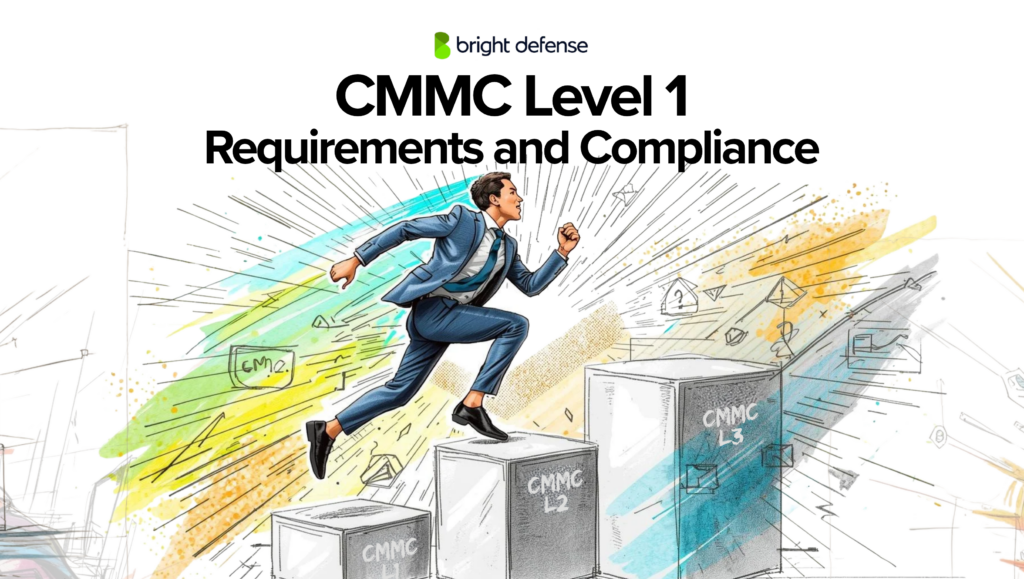
15 basic safeguards form the foundation of CMMC Level 1, covering how defense contractors protect Federal Contract Information (FCI). Contractors whose contracts require Level 1 must implement these safeguards, complete an annual self-assessment, and affirm continuing compliance.This guide explains who needs Level 1, what its requirements cover, and how to prepare for the assessment and…
Read More200+ Cybersecurity Statistics for 2026
The team at Bright Defense has compiled a comprehensive list of up-to-date cybersecurity statistics for 2024. In this article, you’ll find hand-picked statistics about:Without further ado, let’s see the stats!Global Cybersecurity StatisticsCybercrime StatisticsCybersecurity Employment StatisticsGeneral Trust in Online InformationAI Cybersecurity StatisticsImpact of AI on Consumer BehaviorCybersecurity Statistics By CountryCheck Out More Stat Articles: Bright Defense…
Read MoreCompliance Automation: Efficient, Effective, Essential
Compliance is an increasingly important facet of cybersecurity. 91% of companies plan to implement continuous compliance in the next five years. Key drivers for the compliance market include mounting threats from bad actors, changing regulations, and pressure from customers and investors. With an array of frameworks such as SOC 2, HIPAA, NIST, ISO 27001, and CMMC, organizations…
Read MoreContinuous Vulnerability Management: Embracing a Proactive Approach
Organizations face a constant threat from various vulnerabilities in their systems. As cyber threats become more sophisticated, the need for an effective vulnerability management program has never been more critical. A core aspect of modern vulnerability management is the concept of Continuous Vulnerability Management (CVM), a proactive approach to identify, assess, and address security vulnerabilities…
Read MoreCMMC Level 2 Controls: 14 Families for SMBs
CMMC Level 2 organizes 110 security requirements into 14 control families that help small and medium-sized businesses (SMBs) protect Controlled Unclassified Information (CUI). These families group related safeguards, including access control, incident response, and personnel security.The Cybersecurity Maturity Model Certification (CMMC) program is in effect, with requirements entering defense contracts through phased implementation. SMB owners…
Read More